Source Cuttable Silicone Linear Light for Commercial Outdoor Home
Compare 30 cuttable silicone linear light options from verified Chinese manufacturers. Buyers can evaluate specifications like IP ratings, power consumption, and customization for commercial, outdoor, and home applications.
Key considerations
Products List




Comprehensive Sourcing Guide
Sourcing Guide for Cuttable Silicone Linear Light Systems
The global demand for flexible, high-performance lighting solutions has elevated the cuttable silicone linear light to a cornerstone of modern commercial and residential design. This category of product combines the aesthetic versatility of neon with the energy efficiency of LED technology, encased in durable silicone that allows for on-site customization. For procurement professionals, sourcing these systems requires a nuanced understanding of technical specifications, compliance frameworks, and supply chain logistics. The following guide outlines the critical factors buyers must evaluate to ensure a successful procurement strategy, grounded in observed market data and verified product attributes.
Technical Specifications and Material Composition
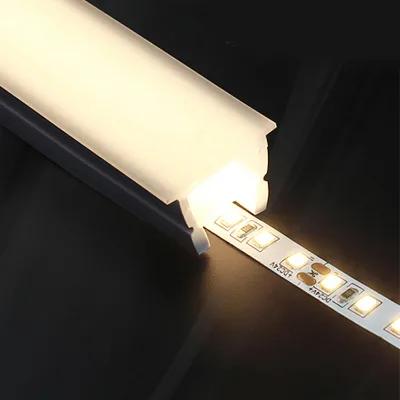
When evaluating cuttable silicone linear lights, the primary differentiator lies in the material composition and the resulting physical properties. The core material for the majority of these units is silicone, a choice driven by its superior flexibility, thermal stability, and resistance to UV degradation compared to PVC alternatives. The silicone casing not only protects the internal LED components but also provides a soft, diffused light output that eliminates the harsh glare often associated with traditional rigid LED strips.
A critical technical parameter to verify is the cross-sectional dimension, as this dictates the mounting method and the visual profile of the installation. Market observations indicate a variety of standard profiles, including dimensions such as W1010mm, W12H22mm, and W68mm x H80mm. Buyers must align these dimensions with their specific design requirements, ensuring that the chosen profile fits within the intended channel or recess. The standard length for these units is frequently offered in 5-meter reels, though customization is widely available to meet specific project needs.
Electrical specifications are equally vital. The operating voltage for these systems typically ranges from 12V to 24V, which influences the power supply requirements and the maximum run length before voltage drop becomes a concern. Power consumption varies by model, with observed ranges falling between 6-10W and 11-15W per meter or per unit, depending on the brightness and density of the LEDs. The emitting color options are diverse, ranging from single-color configurations to changeable multi-color systems, allowing for dynamic lighting effects. For applications requiring high color fidelity, a Color Rendering Index (CRI) greater than 80 is a standard benchmark to verify.
Compliance and Certification Verification
In the B2B lighting sector, compliance is not merely a formality but a prerequisite for market access and safety. Procurement teams must rigorously verify that suppliers possess valid certifications for the specific regions where the products will be deployed. The most commonly observed certifications for silicone linear lights include RoHS (Restriction of Hazardous Substances) and CE (Conformité Européenne). Some advanced models may also carry Reach certification, indicating compliance with European chemical safety standards.
It is essential to distinguish between the product certification and the system certification. While the LED strip itself may be RoHS and CE compliant, the driver or power supply unit, such as those from manufacturers like Tridonic, must also meet local electrical safety standards. Buyers should request current certification documents rather than relying on generic claims, as standards can vary by region and product revision. Additionally, for outdoor applications, the Ingress Protection (IP) rating is a non-negotiable specification. The observed data indicates IP ratings of IP65, IP67, and in some cases, IP68, which denote varying degrees of dust tightness and water resistance. An IP65 rating suggests protection against water jets, suitable for covered outdoor areas, while IP67 or IP68 ratings are necessary for submersion or heavy rain exposure.
Cost Drivers and Pricing Structures
Understanding the cost structure of cuttable silicone linear lights is crucial for budgeting and negotiation. The price range observed in the market spans from $0.35 to $360, a wide variance that reflects differences in power output, length, customization, and packaging. The lower end of the spectrum typically corresponds to standard single-color, low-power units sold in bulk, while the higher end reflects custom lengths, high-CRI options, or integrated driver systems.
Several factors drive the final cost. First, the material quality of the silicone directly impacts the price; high-grade silicone that resists yellowing and cracking over time commands a premium. Second, the complexity of the electrical design, such as the inclusion of specific drivers or the ability to cut at precise intervals, adds to manufacturing costs. Third, packaging requirements play a role; export-standard packaging, such as cartons designed for roll protection, incurs additional logistics costs compared to basic packaging.
Minimum Order Quantity (MOQ) is another significant cost driver. The observed MOQ range spans from 1 to 500 units, offering flexibility for both small prototype orders and large-scale commercial projects. Buyers should be aware that ordering below the standard MOQ may result in a higher per-unit cost or the imposition of a sample fee. Sample lengths are typically available in 1, 2, 3, or 5-meter increments, allowing for performance testing before committing to a full order.
Typical Applications and Installation Methods
The versatility of cuttable silicone linear lights makes them suitable for a broad spectrum of applications, including commercial, outdoor, and home environments. In commercial settings, these lights are frequently used for cove lighting, signage, and architectural accentuation where a seamless, continuous line of light is desired. The ability to cut the strip to exact lengths allows installers to navigate complex corners and irregular shapes without the need for splicing, which can compromise the IP rating and aesthetic continuity.
Outdoor applications benefit significantly from the high IP ratings and the durability of the silicone material. These lights can withstand temperature fluctuations and moisture, making them ideal for landscape lighting, pool perimeters, and building facades. For home use, the soft diffusion and flexibility allow for creative installations in staircases, under cabinets, and behind headboards.
Installation methods vary based on the specific product design. Common options include surface mounting and recessed installation. Surface mounting is straightforward, often utilizing adhesive backing or mechanical clips, while recessed installation requires the cutting of channels or the use of aluminum profiles to house the silicone strip. The PCB size, observed in the range of 8-10mm, is a key factor in determining the width of the channel required for recessed applications. Buyers should ensure that the selected mounting method is compatible with the specific product model and the structural constraints of the installation site.
Supplier Evaluation and Quality Control
Selecting the right supplier is as important as selecting the right product. When evaluating potential vendors, buyers should look for a track record of consistency in quality and adherence to the specifications provided. Key indicators of a reliable supplier include the availability of detailed product data sheets, clear communication regarding customization options, and a transparent process for handling samples.
Quality control should be a central component of the procurement process. Buyers must verify that the supplier implements rigorous testing protocols for critical attributes such as IP rating, color consistency, and thermal performance. For instance, verifying that the IP rating holds true under actual water exposure conditions is essential for outdoor projects. Additionally, the warranty period is a strong indicator of supplier confidence; a standard warranty of 3 years is observed in the market, suggesting a commitment to long-term product reliability.
Lead times are another critical factor in supplier evaluation. The observed lead time for these products ranges from 8 to 10 days for standard orders, but this can vary based on the level of customization and the supplier's current production capacity. Buyers should factor in potential delays, especially for custom lengths or specialized packaging requirements. It is also important to confirm the origin of the products, with Shenzhen, China, being a noted hub for manufacturing these types of lighting solutions.
Long-Term Procurement Considerations
Sourcing cuttable silicone linear lights is not a one-time transaction but a long-term relationship that impacts the maintenance and lifecycle of the lighting installation. Buyers should consider the availability of replacement parts and the ease of future maintenance. The ability to source matching products for expansion or repair is crucial, especially for large commercial projects where consistency in color temperature and brightness is required.
Packaging and logistics also play a role in long-term success. The standard packaging, which includes carton export packaging and roll protection, ensures that the product arrives in pristine condition. However, for international shipments, buyers should verify that the packaging meets all necessary export standards to prevent damage during transit. Furthermore, the standard length of 5 meters per reel or custom requests should be aligned with the project's layout to minimize waste and reduce installation time.
Finally, buyers should remain vigilant regarding changes in standards and regulations. While current observations cite standards such as W1010mm or W1220mm for specific models, future projects may require adherence to updated international standards like EN 60598-2-20. Staying informed about regulatory changes and ensuring that suppliers are proactive in updating their product lines will safeguard the project against compliance issues and ensure the longevity of the lighting investment. By focusing on these technical, compliance, and logistical factors, procurement professionals can secure high-quality cuttable silicone linear lights that meet the demanding requirements of modern lighting design.
FAQs
What certifications do cuttable silicone linear lights typically have?
These lights typically hold RoHS and CE certifications, with some models also carrying Reach certification. Buyers should verify specific documents for the region of deployment to ensure compliance with local safety and chemical standards.
How flexible are the dimensions for these silicone lighting systems?
Standard profiles include dimensions like W10*10mm and W12*H22mm, with custom lengths available upon request. The standard length is often 5 meters per reel, but buyers can specify alternative sizes to fit unique project channels.
Can these lights be used in outdoor environments safely?
Yes, they are suitable for outdoor use with IP ratings ranging from IP65 to IP68. Higher ratings like IP67 or IP68 provide necessary protection against water jets or submersion for landscape and building facade applications.
What is the typical lead time for ordering these products?
The standard lead time is 8 to 10 days for most orders. This duration may vary depending on the level of customization required and the current production capacity of the specific manufacturer.
Which voltage options are available for these linear light systems?
Operating voltages typically range from 12V to 24V. This voltage range influences power supply requirements and the maximum run length before voltage drop becomes a concern for the installation.
How does the material composition affect the light output?
The silicone casing provides superior flexibility and thermal stability while offering a soft, diffused light output. This material choice eliminates harsh glare often found in traditional rigid LED strips and resists UV degradation.
What warranty periods are commonly offered for these units?
A standard warranty of 3 years is commonly observed in the market for these products. This period indicates a commitment to long-term product reliability and supplier confidence in the silicone material quality.